Information
Landmark: Botanical Gardens at AshevilleCity: Asheville
Country: USA North Carolina
Continent: North America
Botanical Gardens at Asheville, Asheville, USA North Carolina, North America
Botanical Gardens at Asheville – Detailed Comprehensive Overview
1. General Description and Purpose
The Botanical Gardens at Asheville (BGA) is a 10-acre nonprofit nature preserve dedicated to showcasing, preserving, and educating the public about the native plants of the Southern Appalachian region. Situated at 151 W.T. Weaver Boulevard, it is adjacent to the University of North Carolina at Asheville campus, making it an accessible natural retreat within an urban environment.
Founded in 1961, the Gardens serve as a living museum of the local ecosystem, emphasizing native wildflowers, shrubs, trees, ferns, mosses, and lichens. The focus on native plants is crucial to preserving biodiversity, supporting local wildlife, and educating visitors about sustainable landscaping practices that honor the region’s natural heritage.
The Gardens do not feature exotic or tropical plants; instead, they provide a naturalistic setting that reflects the diverse habitats found in the Southern Appalachian Mountains. The mission is both conservationist and educational, aiming to inspire stewardship of native flora and to offer a peaceful refuge for visitors.
2. Plant Collections and Ecological Features
The Gardens boast over 650 species of native plants, representing a broad spectrum of Appalachian flora. This rich diversity allows visitors to observe plants typical of different habitats, including:
Woodlands: Shade-loving wildflowers, ferns, and hardwood trees.
Meadows: Sun-loving wildflowers like goldenrods, asters, and blazing stars.
Riparian zones: Plants thriving along Reed Creek, such as aquatic species and moisture-loving vegetation.
Rare and endangered species native to the region are protected and propagated here, contributing to conservation efforts.
The plantings are arranged to mimic natural ecosystems, creating educational opportunities about plant communities, ecological relationships, and seasonal changes.
3. Garden Layout and Trails
Crayton Trail:
The central feature of the garden is the half-mile Crayton Trail, a well-maintained loop path that weaves through various garden habitats. The trail crosses small wooden bridges over Reed Creek, offering scenic views of the flowing water and aquatic life. Visitors encounter meadows filled with seasonal wildflowers and dense forest understory in shaded areas. This trail is wheelchair accessible in parts but includes some uneven terrain.
Wilson Bird Garden:
Near the garden’s entrance is the Wilson Bird Garden, an area designed to attract local bird species by providing native plants that offer food and shelter. Birdwatchers often spot species such as warblers, finches, and hummingbirds.
Sunshine Meadow:
This open, sunny area features picnic tables and a small gazebo. It is a popular spot for visitors to rest, enjoy packed lunches, or participate in small group activities and educational programs.
Hayes Cabin:
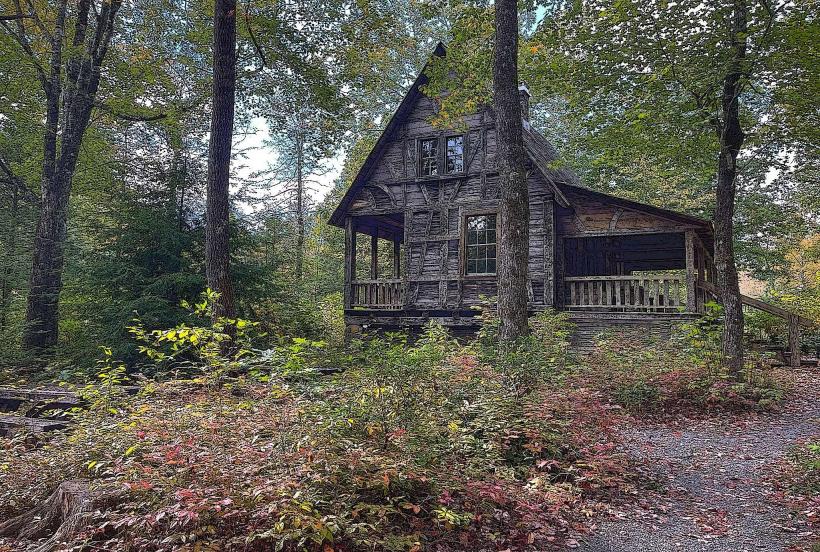
The Gardens include a historic “dog trot” cabin, which is a traditional Appalachian structure characterized by a covered breezeway separating two living areas. The cabin serves as a cultural landmark within the natural setting, illustrating early Appalachian life and architecture.
Reed Creek Access:
Designated points along the trail allow visitors to approach the creek for closer observation of aquatic plants, small fish, and amphibians. The creek is a vital ecological feature supporting diverse wildlife.
4. Visitor Center and Facilities
The Visitor Center operates daily from 10:00 AM to 4:00 PM (mid-March through mid-December). It serves as the main hub for information, exhibits, and educational materials.
Inside the center is the Garden Path Gift Shop, which offers an assortment of garden-related merchandise such as:
Botanical and gardening books.
Native plant seeds and bulbs.
Tools and supplies for sustainable gardening.
Artistic items inspired by nature.
The Botanical Library within the Visitor Center houses a collection of over 1,000 volumes related to botany, horticulture, ecology, and regional flora. It serves as a resource for researchers, students, and enthusiasts.
Restroom facilities and picnic areas are available to make visits comfortable and family-friendly.
The Visitor Center and some trails are wheelchair accessible, though the natural terrain of certain areas might present challenges for mobility-impaired visitors.
5. Educational Programs and Community Engagement
The Botanical Gardens at Asheville hosts a variety of educational programs designed to engage all age groups in learning about native plants, ecology, and conservation. Programs include:
Guided nature walks and wildflower tours highlighting seasonal plant blooms and wildlife.
Workshops on native plant gardening, habitat restoration, and sustainable landscaping.
School outreach and field trips focusing on science and environmental education.
Volunteer opportunities for habitat maintenance and plant propagation.
Special events, such as seasonal plant sales, native plant identification classes, and guest lectures by botanists and ecologists, further the educational mission.
The Gardens also collaborate with the nearby University of North Carolina at Asheville and local environmental organizations to promote regional biodiversity awareness.
6. Seasonal Highlights
Spring:
The Gardens burst to life with a spectacular display of wildflowers like Trilliums, Spring-beauties, Crested Dwarf Iris, and Dutchman’s Breeches. This is the prime time for nature photography and plant identification.
Summer:
Flowering peaks for plants such as Joe-Pye Weed, Goldenrod, and Blazing Star, attracting pollinators including bees, butterflies, and hummingbirds.
Fall:
The native asters and late-blooming species provide color and attract migrating birds and insects.
Winter:
Though flowering slows, the Gardens remain visually interesting due to evergreen shrubs, ferns, mosses, and the architectural beauty of native trees.
7. Visitor Information and Guidelines
Admission:
The Gardens are open to the public free of charge, reflecting their mission to be an accessible community resource. However, donations are encouraged to support maintenance, conservation, and educational programming.
Hours:
Open daily from sunrise to sunset, with the Visitor Center open mid-March to mid-December.
Parking:
Ample on-site parking is provided free of charge.
Rules for Visitors:
Pets are not allowed except for service animals, ensuring protection of delicate plant habitats and wildlife.
Visitors are asked to stay on marked trails to protect fragile plants and minimize erosion.
Picking plants or removing any natural material is strictly prohibited.
Picnicking is permitted only in designated areas, with trash to be properly disposed of.
Photography for personal use is welcome; commercial photography requires permission.
8. Accessibility and Location
The Gardens are located just north of downtown Asheville, making them convenient for tourists and residents alike.
Proximity to the University of North Carolina at Asheville creates opportunities for academic collaboration and student involvement.
The trails provide a moderate level of accessibility, with some areas suitable for wheelchairs and strollers, although natural terrain may limit access in parts.
9. Ecological and Cultural Importance
The Botanical Gardens at Asheville plays an important role in:
Conservation: Protecting native plant species, some of which may be rare or endangered.
Education: Raising public awareness about the value of native plants and natural habitats.
Community Engagement: Offering a tranquil space for outdoor recreation, learning, and connection with nature in an urban setting.
Sustainability: Promoting gardening practices that reduce invasive species, support pollinators, and conserve water.
Summary
The Botanical Gardens at Asheville offers an immersive, educational, and restorative experience highlighting the beauty and ecological significance of Southern Appalachian native plants. Its well-maintained trails, diverse plant collections, and robust educational programs make it a key destination for anyone interested in botany, ecology, or simply enjoying natural landscapes. The Gardens’ commitment to accessibility, free admission, and community involvement ensures it remains a treasured resource for Asheville’s residents and visitors alike.